
Distance & Money: The Educational Challenge
Coming from Northern Scotland, it could be argued, sensitises one more to the logistical challenges of attaining a university education. At the time that I was ready to matriculate (the 1980s) at Heriot-Watt University there were no local universities. One simply had to travel. In my case, it was an 8-10 hour train journey to the city of Edinburgh some 250 miles away. In terms of travel time, this would be the equivalent of a transatlantic flight or one to the Middle East. Not everyone was in a position, financial or otherwise, to leave home and make that journey and commitment. My question, therefore, was why? Why should a student have to travel long distances to receive an education, particularly a science education?
Why should students be excluded if they cannot afford to travel?
My Passion
In terms of reaching out for an education, students in Northern Scotland are no different to those from other places around the world which suffer from geographical isolation. Why should students be deprived of a university science education simply because of where they live? Potentially, worldwide, we are excluding a massive talent pool & resource as a result. Education and learning should be for all, irrespective of an individual’s location or financial situation
Consequently, this is my passion.
Revolution in Science Teaching
Regarding geographical location and isolation, the arrival of the internet and the exploitation of the power of computing is beginning to level the playing field in this respect. My company, Simulators For Teaching Ltd., (Sim4t) is involved in what is becoming a revolution in science teaching: We produce online software that simulates scientific instrumentation and experiments for chemistry, physics, biology and general science students at universities, colleges and schools. It is our hope that online science simulations and experiments could help to bridge the financial and location gap which deprives so many of a university degree.
Before I set up Sim4t, I had around 20 years chemistry teaching experience at the University of Sheffield and Lancaster University so, not only do I know the business of education very well, I also have the emotional drive and commitment to succeed in my quest to widen access to science for all, being that former student who had to travel to attain their degree.
Enabling Students
Sim4t provides a teaching pack where we include a scientific instrument simulator (for example, the online system simulates an Ultraviolet-Visible Absorption Spectrometer) and an experimental procedure that guides the student through its operation. Lecture notes covering the theory of the topic under study are also provided. In this way, a student can weigh out virtual materials, prepare solutions and generate user specific data which can then be analysed to produce physical constants, all without leaving their computer screen. Location is no barrier to performing an experiment with our online system.
The following video shows virtual sample preparation :
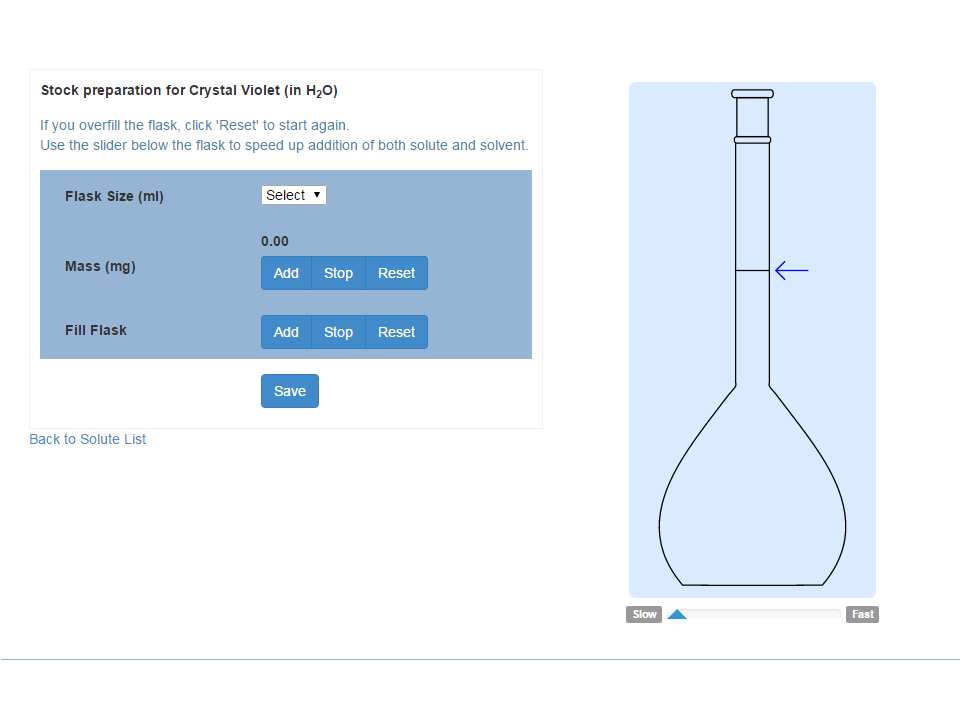
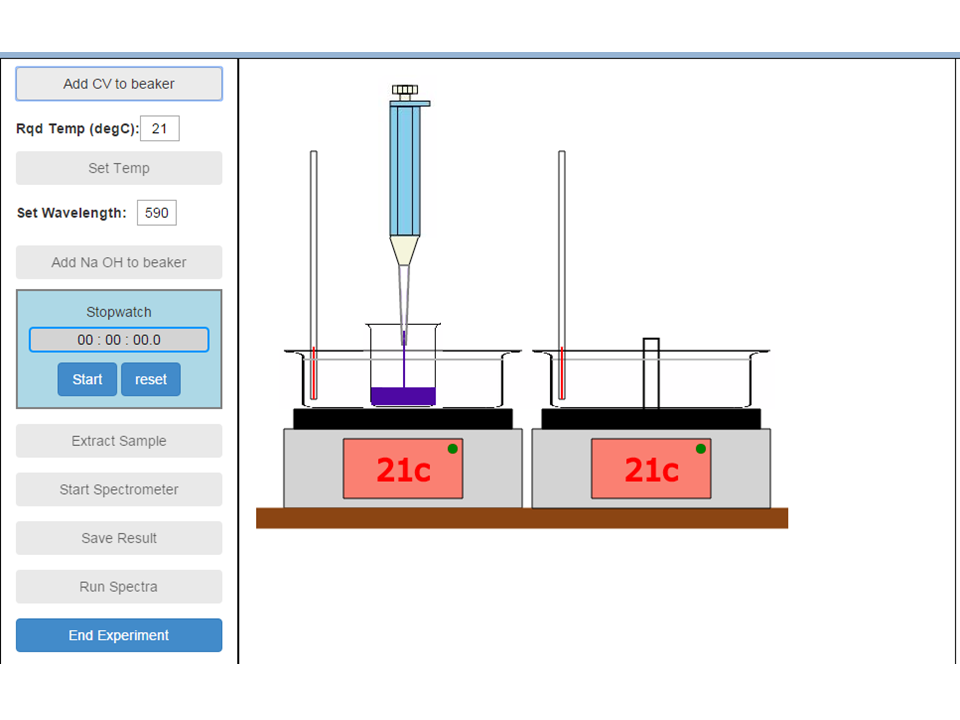
The simulator can generate user specific data as in this example, which features the virtual reaction between crystal violet & sodium hydroxide. The chemical kinetics can be monitored using the spectrometer simulator & rate parameters can subsequently be derived as in the following video:
21st Century Science Education
Looking further into the future, fully online science degrees are coming. It’s inevitable. For example, simulation company, Labster, has already developed a partnership with Arizona State University & Google to offer the world’s first, fully online biology degree that also includes a virtual reality lab:
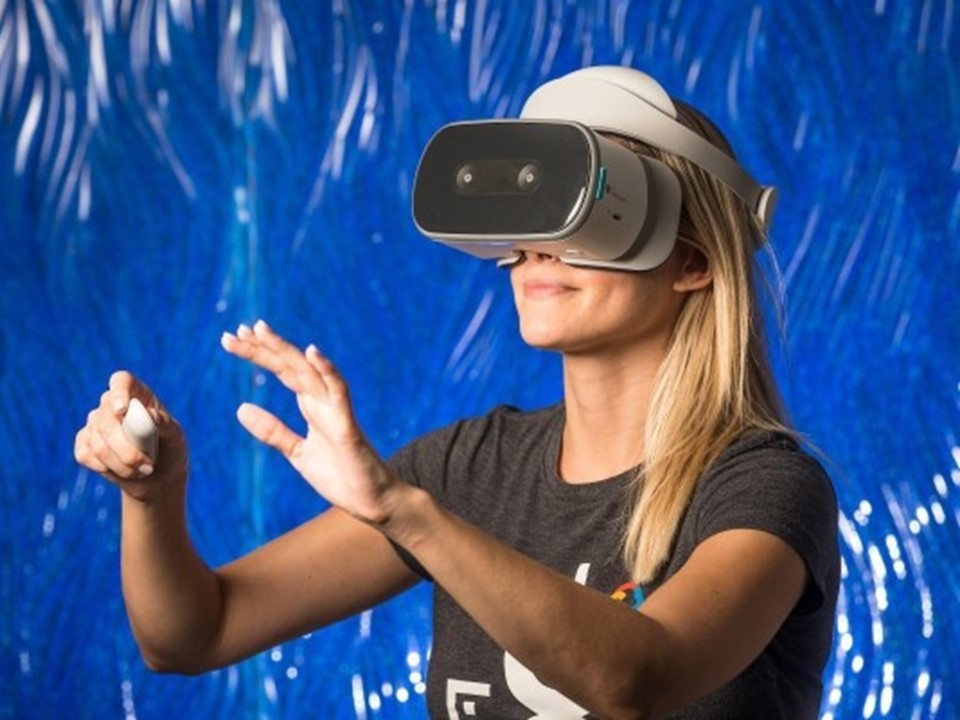
News article from the Arizona State University website
It will just be a matter of time before other science disciplines follow suit. This will mean unequalled choice for students in selection of their degree provider with no geographical barriers to study and resulting lower fees and cost of delivery. Our software will help institutions compete in what will be a very competitive educational market.
Where do you think science education will head in the future? There are many positives but are there any disadvantages to online degrees and online learning? I would welcome your thoughts and comments.